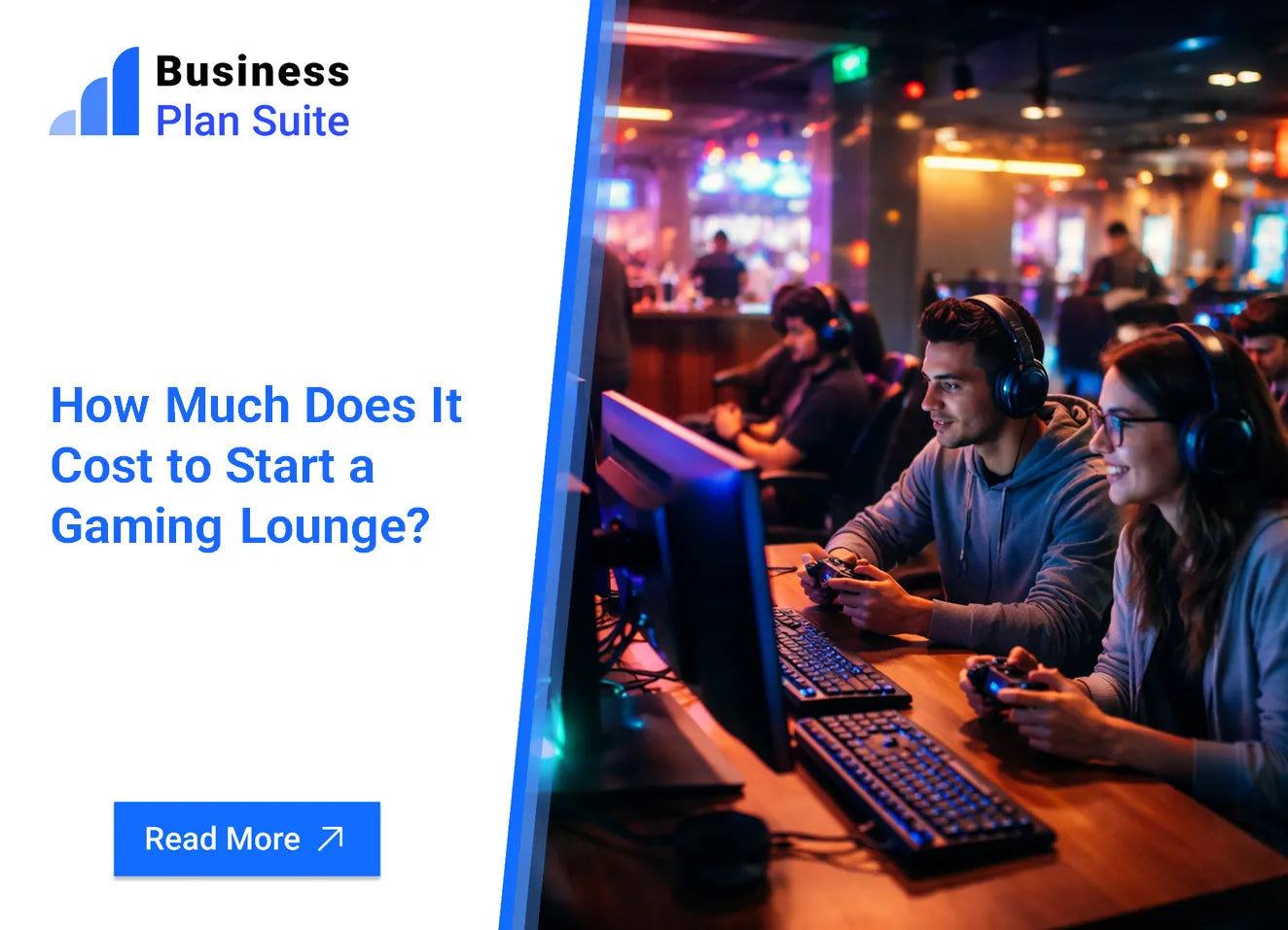
Unlocking the Lucrative World of Gaming Lounges: A Deep Dive into Startup Costs and Profitability
The global gaming industry is a titan, an ever-expanding universe projected to continue its meteoric rise. With revenues hitting $108.9 billion in 2017 and soaring to $128.5 billion by 2022, fueled by over 2.2 billion passionate gamers worldwide, the landscape is ripe for entrepreneurial ventures. Among the most engaging and community-driven opportunities is the gaming lounge – a vibrant hub where enthusiasts of all ages gather to immerse themselves in digital worlds. If you're drawn to fostering a community around this dynamic culture, understanding the gaming lounge startup costs and potential for a 14-month breakeven is your first critical quest.
Opening a video game lounge, whether from scratch or through a proven franchise model, offers a compelling path to business ownership. Gamers are known for their loyalty and willingness to invest in their passion, making them an ideal customer base for a well-executed lounge concept. But what does it truly take to establish such a venture? Let's explore the financial landscape, strategic advantages, and key considerations for launching a successful gaming lounge.
Deconstructing the $642K Gaming Lounge Startup Budget: CAPEX, OPEX, and Breakeven
Launching a state-of-the-art gaming lounge requires a significant financial commitment, primarily due to the specialized equipment and infrastructure necessary to attract and retain a dedicated clientele. Our analysis indicates a total startup budget of approximately $642,000 is needed to cover the initial outlay and sustain operations until profitability. This comprehensive figure accounts for a 14-month runway, allowing time to build momentum and achieve the projected breakeven point.
Understanding Capital Expenditure (CAPEX)
The lion's share of your initial investment, roughly $475,000, will be allocated to Capital Expenditure (CAPEX). This crucial investment covers the long-term assets that form the backbone of your gaming lounge. Key CAPEX items include:
- High-End Gaming Equipment: Multiple gaming PCs with top-tier specifications, a diverse range of consoles (from retro NES, N64, and GameCube to modern Xbox One, PS4, and Wii U), large-screen HDTVs or projectors, VR setups, and premium peripherals (keyboards, mice, headsets). Remember, offering popular online multiplayer services like Xbox Live and PSN is a must.
- Venue Fit-Out and Renovation: This involves transforming a commercial space into an inviting and functional gaming environment. Costs can include specialized electrical wiring, robust internet infrastructure, soundproofing, comfortable and ergonomic gaming chairs, tables, interior design, lighting, and accessibility features.
- Software & Licensing: Initial investment in a vast game library across various platforms, operating system licenses, and potentially specialized gaming management software.
- Point of Sale (POS) System: A customized POS system is essential for managing game time, retail sales, food & beverage, and customer accounts efficiently.
- Security Systems: Surveillance cameras, access control, and alarm systems to protect valuable equipment.
Projecting Operating Expenses (OPEX)
Beyond the initial CAPEX, you must account for ongoing monthly Operating Expenses (OPEX). Before hitting breakeven, these are estimated at around $40,325 per month. Planning for these costs is vital for survival during the ramp-up phase. Typical OPEX includes:
- Rent and Utilities: The monthly cost of your commercial space, electricity (gaming equipment consumes significant power), internet, water, and heating/cooling.
- Staff Salaries: Wages for lounge managers, technicians, customer service representatives, and cleaning staff.
- Game Licenses & Subscriptions: Ongoing costs for new game releases, online service subscriptions, and potential esports event licenses.
- Marketing and Advertising: Promoting your lounge through digital marketing, local advertising, events, and community outreach.
- Insurance: Business liability, property, and equipment insurance.
- Inventory: Stocking snacks, beverages, and potentially merchandise.
- Maintenance & Repairs: Regular upkeep of equipment and facilities.
To successfully navigate the initial 14-month period until breakeven, entrepreneurs need to secure a minimum of $392,000 in cash to cover these operational costs and provide a necessary financial buffer. This emphasizes the importance of a robust financial plan and securing adequate funding from the outset.
Franchising as a Strategic Entry Point: Understanding Gaming Lounge Franchise Costs
For many aspiring entrepreneurs, entering the gaming lounge market through a franchise offers a compelling advantage. A franchise provides a proven business model, established brand recognition, comprehensive support, and often a faster route to profitability compared to starting an independent venture from scratch. When considering the gaming lounge franchise cost, it's important to understand that while the overall $642,000 startup budget still largely applies to the physical setup and operational float, a franchise will also involve specific fees.
Franchise fees typically cover the initial licensing to use the brand name, proprietary systems, and ongoing training and support. While specific costs vary greatly by franchisor, these fees are an investment in a tested framework that can significantly reduce risk and accelerate your launch. For a deeper dive into specific opportunities, consider exploring Top Gaming Lounge Franchises: Uncover Opportunities & Costs and Invest in Gaming: Franchise Costs & Profit Potential in a Growing Market.
Leading Gaming Lounge Franchise Opportunities
Several established franchises offer support and systems designed for success:
- Gamers Paradise: This franchise positions itself as a comprehensive solution for gaming lounge owners. They offer proprietary technology, including a customized POS system and a dedicated customer app for enhanced engagement. With a massive library of over 3,000 games spanning retro to modern consoles, and state-of-the-art equipment like eight 50″ HDTVs and sleek gaming chairs, Gamers Paradise aims to equip franchisees with everything needed for a premium gaming experience. They emphasize ongoing support throughout the entire process, making it an attractive option for those seeking a guided approach.
- D Game Zone: Originating from the vision of MBA post-graduates, D Game Zone saw a niche in creating an exceptional gaming experience. Their lounges boast large screens and the latest gaming releases, catering to both serious and casual gamers. Beyond providing a platform for socializing and play, D Game Zone also offers on-site repair services, adding another revenue stream and convenience for customers. Their focus on fostering a unique gaming community and offering cutting-edge technology makes them a strong contender in the franchise space.
To get precise details on their franchise fees, royalties, and what's included in their support package, direct contact with each franchisor is essential. These costs would be a component of your overall startup budget, potentially impacting the allocation of the $642,000 or requiring additional funding.
Beyond the Numbers: Key Considerations for Success
While understanding the financial outlay is paramount, a successful gaming lounge requires more than just capital. Strategic planning and execution are vital:
- Location, Location, Location: Proximity to schools, universities, residential areas, and entertainment districts can significantly impact foot traffic and customer acquisition.
- Community Building: Foster a welcoming atmosphere. Organize tournaments, themed events, and cosplay nights to create a vibrant community that encourages repeat visits and word-of-mouth marketing.
- Diverse Offerings: Beyond game time, consider selling snacks, beverages, merchandise, or even offering repair services like D Game Zone. These additional revenue streams can boost profitability.
- Marketing and Branding: Develop a strong brand identity and market your lounge effectively online (social media, local SEO) and offline (flyers, local partnerships). Highlight your unique selling propositions, whether it's the widest game selection, the best VR experience, or a focus on competitive esports.
- Exceptional Customer Service: A friendly, knowledgeable staff who can troubleshoot issues and engage with customers is invaluable.
- Adaptability: The gaming industry evolves rapidly. Be prepared to update your game library and equipment regularly to stay relevant and competitive.
Conclusion: Investing in the Future of Entertainment
Starting a gaming lounge business represents a significant investment, but one with considerable potential in a booming industry. With an estimated startup budget of $642,000, including $475,000 in CAPEX and a required cash buffer of $392,000 to cover 14 months of operating expenses, the financial commitment is clear. However, the rapidly growing market of passionate gamers offers a fertile ground for a well-planned and executed venture. Whether you choose the independent route or leverage the benefits of a gaming lounge franchise, careful planning, strategic investment, and a genuine passion for gaming and community building are your ultimate cheat codes to success.